From Rooftop to Foundation: Why Proper Gutter Installation Matters
April 12, 2026
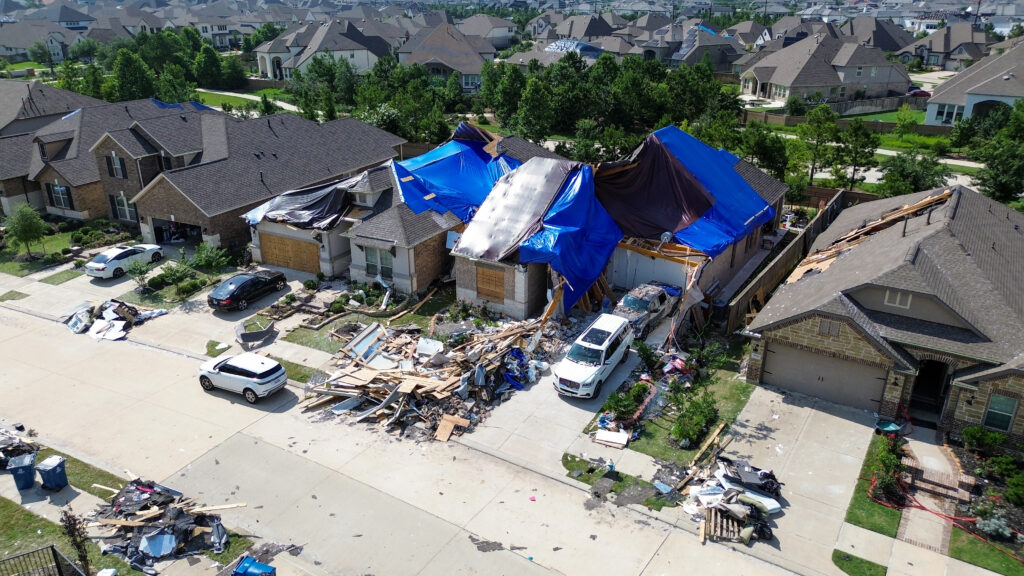
Hurricanes and severe tropical storms are a reality for homeowners across Florida. From high winds and torrential rain to flying debris and falling tree limbs, storms can cause serious roof damage in a matter of minutes. Even homes that appear mostly unaffected from the outside may still have hidden roofing problems that lead to leaks, mold, structural damage, and expensive repairs later on.
In the hours immediately following a hurricane, many homeowners are unsure what steps to take first. The situation can feel overwhelming, especially when neighborhoods are dealing with power outages, flooding, debris, and widespread property damage. However, acting quickly and making smart decisions early can help minimize additional damage to your home and improve the chances of a smoother repair process.
For homeowners throughout West Central Florida, including Pinellas County, Hillsborough County, Pasco County, Sarasota County, and surrounding Gulf Coast communities, understanding how to respond after a hurricane is an important part of protecting your roof and your home.
Start With Safety First
After a hurricane passes, safety should always come before property inspections or cleanup efforts. Even if your roof appears stable from the ground, there may be hidden structural weaknesses, loose materials, exposed nails, broken tree limbs, or electrical hazards nearby.
Avoid climbing onto the roof yourself. Wet roofing surfaces are dangerous, and storm damage can weaken decking and support structures without obvious signs from below. Instead, begin with a visual inspection from a safe distance around the property.
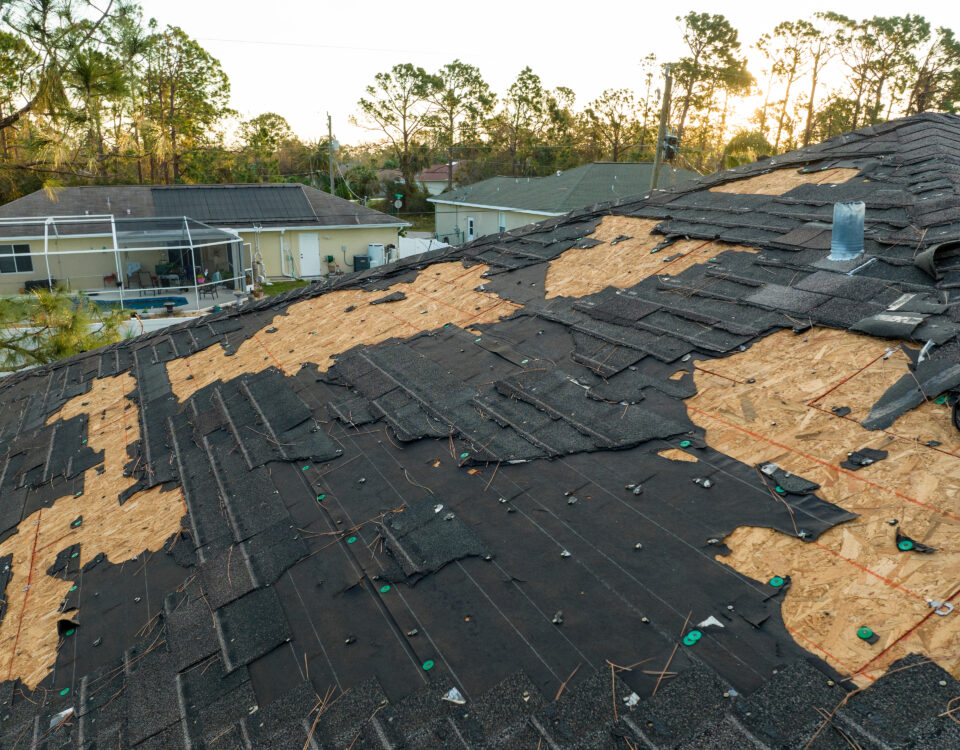
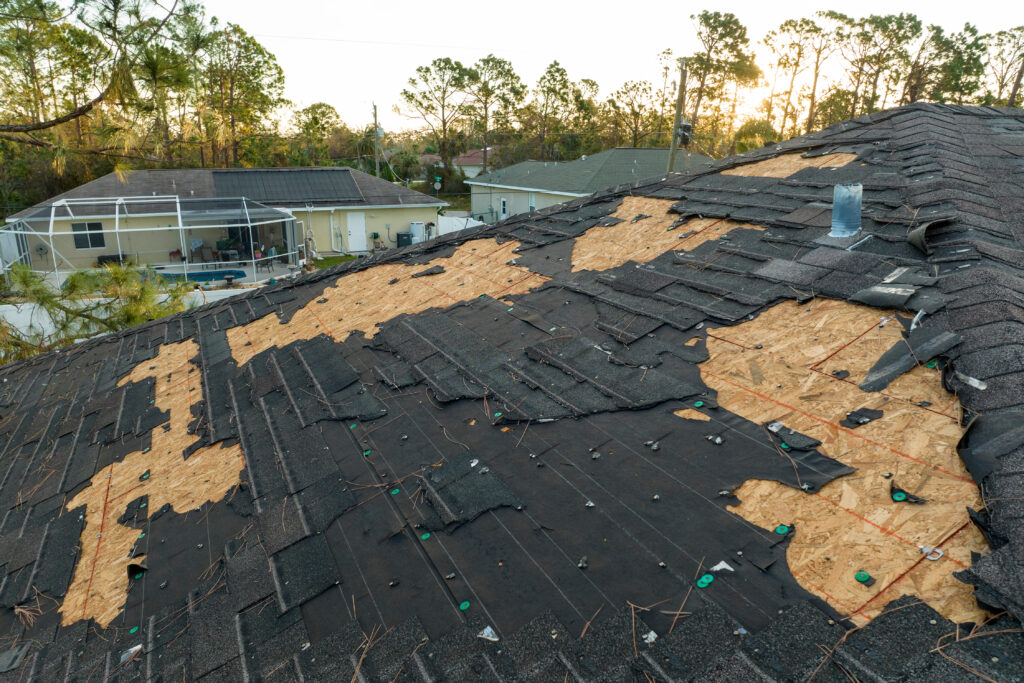
Look for missing shingles, cracked or displaced roof tiles, bent flashing, exposed underlayment, sagging roof sections, dented metal roofing panels, fallen debris, or damaged gutters. Inside the home, check ceilings, walls, attic spaces, and around windows for signs of water intrusion or moisture.
If you notice active leaking, place buckets or towels in affected areas and move valuables away from the water. Taking temporary measures to reduce interior damage is important, but permanent repairs should wait until the roof can be professionally inspected.
Document the Damage Immediately
One of the most important things homeowners can do after a hurricane is document all visible damage as soon as possible. Thorough documentation may help support insurance claims and provide a clearer record of the condition of the property after the storm.
Take photos and videos of roof damage from the ground if it can be done safely. Photograph missing shingles, broken tiles, debris impacts, damaged soffits, bent gutters, fallen trees, interior leaks, water stains, damaged insulation, and any other visible storm-related issues.
It is also helpful to document the surrounding property, including fencing, siding, windows, and landscaping if they were affected by the storm. Keep records of the date the storm occurred, when damage was discovered, and any emergency steps taken to protect the home.
If temporary repairs become necessary, save all receipts for tarping, cleanup, emergency services, or materials purchased to reduce further damage.
Hidden Roof Damage Is More Common Than Many Homeowners Realize
One of the biggest misconceptions after a hurricane is that roof damage is always obvious. In reality, many roofing systems sustain hidden storm damage that may not become visible until weeks or months later.
Strong winds can loosen shingles without fully removing them. Flashing around vents, skylights, and chimneys may shift slightly and allow water intrusion during future rainstorms. Heavy rain can also force water beneath roofing materials even when the roof surface appears intact.
In coastal areas throughout Florida, repeated exposure to tropical weather can gradually weaken roofing systems over time. A roof that survives one hurricane may still become more vulnerable during the next storm if underlying damage is left untreated.
Common signs of hidden storm damage include:
- Water stains on ceilings or walls
- Damp attic insulation
- Mold or mildew smells
- Bubbling paint or drywall
- Granules collecting in gutters
- Higher indoor humidity levels
- Dripping water during later rainstorms
This is why professional inspections are so important after severe weather events, even if the roof appears relatively normal from the ground.
Temporary Repairs Can Prevent More Serious Damage
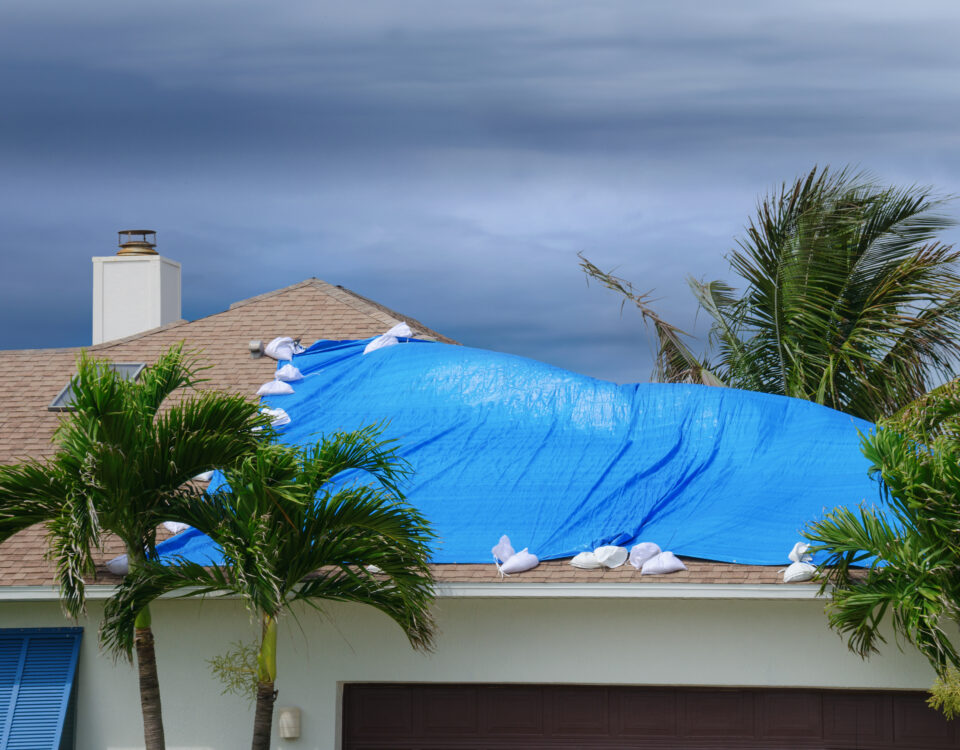
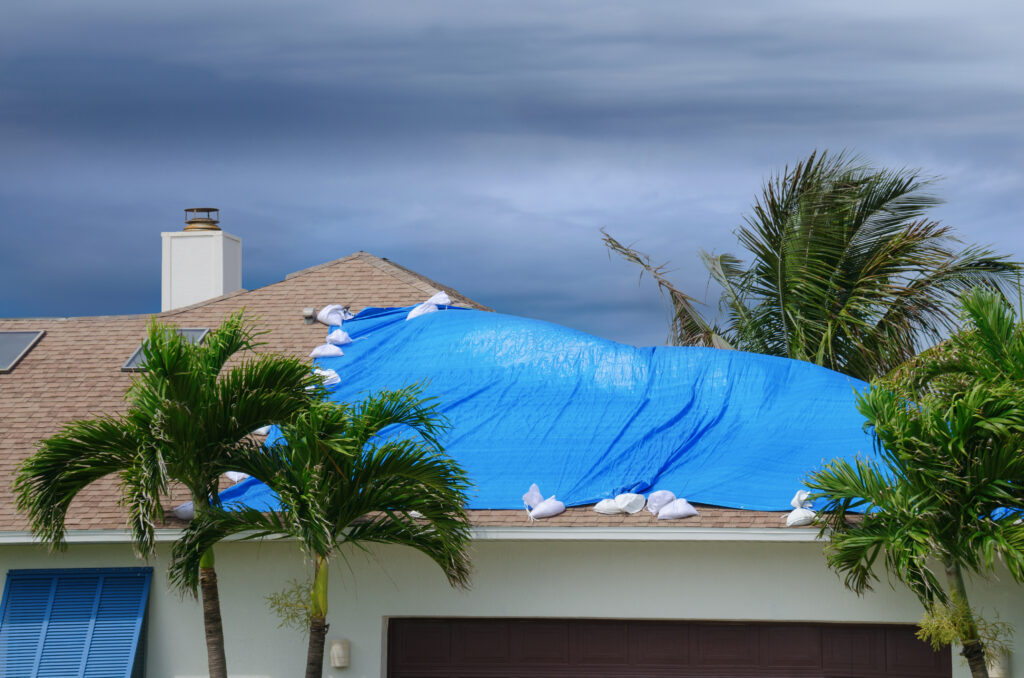
After a hurricane, temporary roof protection can help reduce additional water intrusion until permanent repairs are completed. In many cases, emergency tarping or sealing exposed areas may prevent further structural damage inside the home.
However, homeowners should avoid attempting dangerous repairs themselves. Climbing onto a storm-damaged roof without proper equipment and experience can result in serious injuries and may even worsen the damage.
Professional roofing contractors can identify vulnerable areas and install temporary protective measures safely while helping homeowners understand the extent of the storm damage.
Because post-storm demand is often extremely high across Florida, contacting a roofing contractor early can also help reduce delays in scheduling inspections and repairs.
Understanding the Difference Between Repair and Replacement
After a hurricane, many homeowners wonder whether their roof can simply be repaired or whether a full replacement may be necessary. The answer depends on several factors, including the age of the roof, the extent of the storm damage, and the overall condition of the roofing system before the storm occurred.
Minor damage isolated to one section of the roof may often be repaired successfully. However, widespread wind damage, structural concerns, recurring leaks, or significant material deterioration may point toward replacement as the better long-term solution.
Homeowners who are unsure about the condition of their roof should consider scheduling a full inspection to evaluate all available options. Understanding the difference between roof repair and roof replacement before making major decisions can help homeowners protect both their property and their budget.
Insurance Claims After Hurricane Roof Damage
Filing an insurance claim after hurricane damage can feel stressful, especially during major storm events when insurance companies are handling large volumes of claims across Florida.
The best approach is to contact your insurance provider promptly, document the damage thoroughly, and keep organized records throughout the process. Homeowners should avoid throwing away damaged materials until instructed otherwise and should keep copies of all communication related to the claim.
Insurance companies may send adjusters to inspect the property, but homeowners also benefit from having an experienced roofing contractor evaluate the roof independently. A professional inspection can help identify storm-related issues that may not be immediately visible during an initial walkthrough.
Florida homeowners should also understand that delaying inspections or repairs can sometimes create additional complications if future storms worsen the original damage.
Beware of Storm Chasing Roofing Companies
Unfortunately, severe storms often attract out-of-town roofing contractors who move into affected areas temporarily after hurricanes. These companies may go door to door, pressure homeowners into signing contracts immediately, or make unrealistic promises about insurance approvals and timelines.
Choosing a trusted local roofing contractor is important for both quality workmanship and long-term accountability. A contractor with established roots in the community is more likely to understand Florida building codes, regional weather conditions, permitting requirements, and manufacturer installation standards.
Homeowners should verify licensing, insurance coverage, references, and company history before agreeing to roofing work after a storm.
Why Fast Action Matters During Hurricane Season
Florida’s hurricane season extends through November, and multiple storms can impact the same region within a relatively short period of time. A roof that has already been weakened by one storm may become much more vulnerable during future severe weather events.
Small leaks can quickly turn into major interior damage if another storm passes through before repairs are completed. Moisture trapped beneath roofing materials can also contribute to mold growth, insulation damage, and structural deterioration over time.
Addressing storm damage early helps reduce the risk of escalating repair costs while improving the overall protection of the home heading into the remainder of hurricane season.
Schedule a Professional Roof Inspection After Any Major Storm
Even if there are no immediate signs of severe damage, scheduling a professional roof inspection after a hurricane is one of the smartest steps homeowners can take. Storm damage is not always visible, and early detection often prevents more expensive repairs later on.
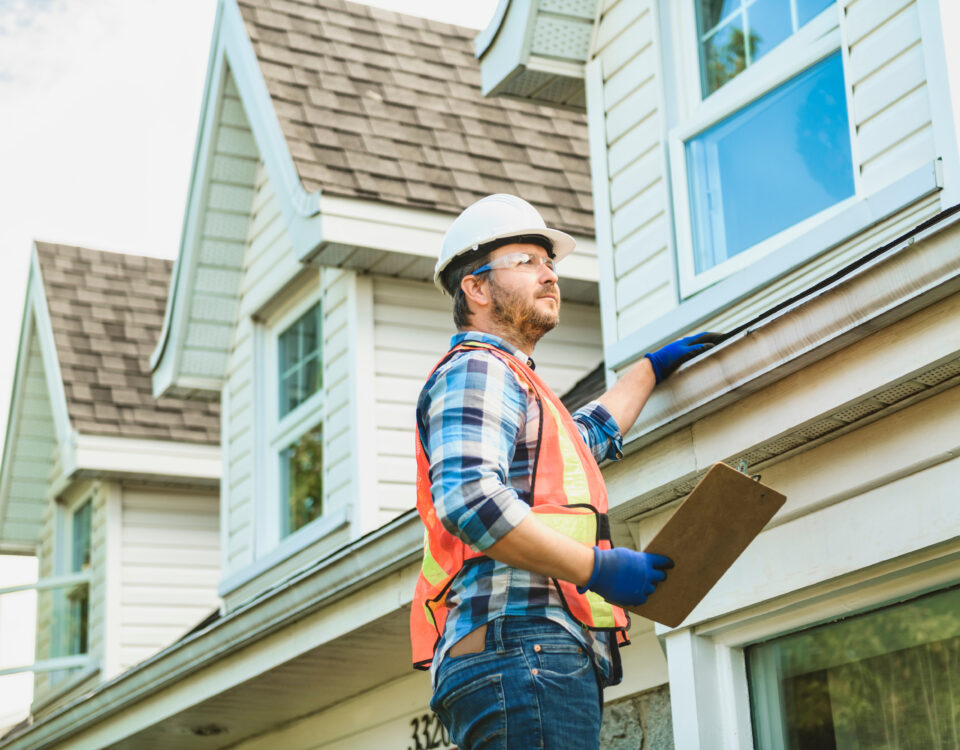
A professional roofing inspection can identify loose materials, compromised flashing, damaged underlayment, moisture intrusion, ventilation issues, and structural concerns before they become larger problems.
For Florida homeowners, preventative action is often the difference between a manageable repair and a major restoration project after future storms.
Final Thoughts
Hurricanes can create significant stress for homeowners, but responding quickly and carefully after a storm can help reduce long-term damage and improve the repair process. Safety should always come first, followed by documentation, temporary protection, professional inspections, and prompt action.
Roof damage should never be ignored after a major storm, even if it initially appears minor. Florida’s climate can accelerate existing roofing problems quickly, especially during the height of hurricane season.
Arry’s Roofing has helped homeowners throughout West Central Florida with storm damage inspections, roof repairs, roof replacements, and emergency roofing services since 1990. From Pinellas County and Hillsborough County to Sarasota County and surrounding Gulf Coast communities, the company provides roofing solutions designed specifically for Florida weather conditions.
If your home was affected by a hurricane or severe storm, contact Arry’s Roofing to schedule a professional roof inspection and protect your home before additional damage occurs.